
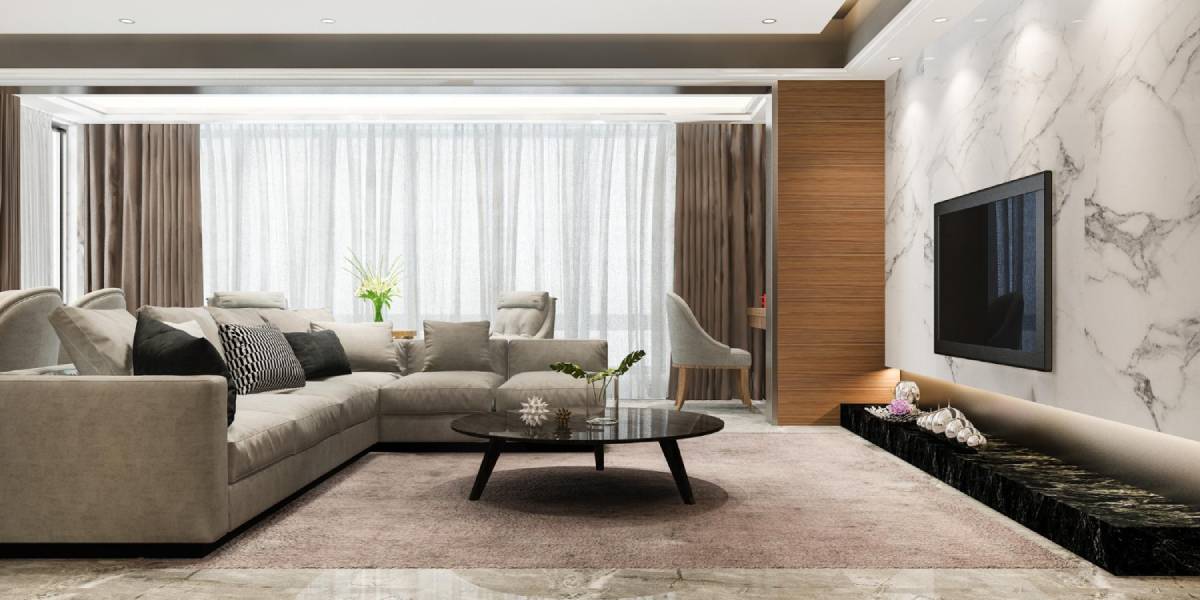
The living room is often the first space people notice when they enter a home. It is where families spend time together, guests are welcomed, conversations happen, and quiet evenings are enjoyed. Because of this, designing a living room requires more thought than simply choosing an attractive sofa or an impressive TV unit.
A well-designed living room brings together furniture, lighting, colours, textures, storage, and space planning in a way that feels natural. Current design preferences are also moving toward warmer, more comfortable, and personality-driven interiors rather than rooms that look overly staged or impersonal.
Whether you are designing a new home or renovating an existing space, the right approach can make a significant difference. Here are some living room designs and ideas worth giving serious attention.
Start With the Layout Before the Decor
One of the most important parts of living room design is the layout. Before choosing finishes, decorative pieces, or furniture, consider how people will actually use the room.
A living room should have a natural flow between the main seating area, television unit, entrance, windows, and other adjoining spaces. Furniture that is too large can make the room feel cramped, while furniture that is too small may leave the space feeling disconnected.
For larger living rooms, consider creating separate zones instead of pushing all the furniture against the walls. A main seating arrangement can be combined with a reading corner, occasional chairs, or a small conversation area. This makes the room more versatile without requiring unnecessary furniture.
In compact apartments, the approach should be different. Slim-profile sofas, wall-mounted storage, floating TV units, and carefully selected coffee tables can help maintain an open feeling. The objective is not to fill every corner but to make every piece serve a purpose.
House Sitting Room Designs That Feel Welcoming
The best house sitting room designs are not necessarily the most elaborate. They are spaces that feel comfortable while maintaining a clear design direction.
A warm neutral palette can provide a timeless foundation, particularly when paired with natural wood, textured fabrics, and carefully selected accent colours. Beige, taupe, warm white, olive, muted brown, and earthy shades can create a softer atmosphere than the cooler grey and stark white combinations that dominated many modern interiors in previous years. Current 2026 design discussions also show a stronger preference for warmth, texture, personality, and comfortable furniture.
The seating arrangement deserves equal attention. A comfortable sofa should be positioned according to the room’s dimensions rather than simply choosing the largest available option. Accent chairs can be angled toward the main seating area to encourage conversation, while a properly proportioned coffee table can connect the entire arrangement.
Rugs are another useful element because they visually define the seating area. A rug that is too small can make the furniture arrangement appear disconnected, while a properly sized rug brings the individual pieces together.
Bring More Character Through Materials
Modern living rooms do not have to depend on excessive decoration to look impressive. Materials can provide much of the visual interest.
Wooden wall panels, fluted finishes, stone textures, marble surfaces, glass, metal details, and upholstered elements can all be combined to create depth. The key is choosing materials that complement each other instead of introducing too many competing finishes.
For example, a warm wooden TV wall can be paired with a neutral sofa, textured rug, and subtle stone accent. The result feels sophisticated without becoming overly decorative.
Natural materials are particularly effective when the goal is to create a comfortable luxury interior. Wood and textured fabrics introduce warmth, while stone and metal can provide contrast and structure.
Latest Interior Design for Living Room: What Matters in 2026
The latest interior design for living room spaces is less about following a single trend and more about creating interiors that feel personal and practical.
One noticeable shift in 2026 is the move toward relaxed furniture arrangements. Deep seating, rounded furniture, flexible layouts, and informal conversation areas are gaining attention because homeowners want their living rooms to feel comfortable rather than overly formal.
Colour is also becoming more expressive. Instead of relying entirely on neutral interiors, designers are introducing earthy greens, deeper blues, warm browns, terracotta, and other richer tones through furniture, artwork, textiles, and accent walls.
Another important development is the use of layered lighting. A single bright ceiling fixture rarely creates the right atmosphere for every activity. Combining ceiling lights with wall lights, floor lamps, concealed lighting, and accent illumination gives homeowners more control over the room’s mood.
The important thing is not to copy a trend simply because it is popular. Expensive furniture and permanent finishes should be selected for longevity, while trends can be introduced through elements that are easier to change.
House Design for Living Room With a Strong Focal Point
Every living room benefits from having a focal point. Without one, the eye has no clear place to settle and the room can feel visually scattered.
The television wall is a common focal point in contemporary homes. A custom TV unit can combine the television with storage, decorative niches, lighting, and carefully selected materials.
However, the television does not always need to dominate the room. In homes where entertainment is secondary, an artwork, feature wall, large window, architectural detail, or statement furniture piece can become the main attraction.
A good focal point should complement the rest of the room rather than compete with it. If the TV wall already includes textured wood, stone, and lighting, the surrounding walls and furniture can remain relatively understated.
House Interior Design For Living Room With Smart Storage
Storage is often overlooked when planning living rooms. Decorative furniture may look attractive initially, but insufficient storage can quickly result in clutter.
A well-planned house interior design living room should incorporate storage according to the family’s needs. Closed cabinets can hide electronics, children’s belongings, books, and everyday items, while open shelves can be reserved for carefully selected décor.
Floating cabinets are particularly useful in contemporary interiors because they keep more of the floor visible. This can make compact rooms feel lighter while providing useful storage.
Custom storage is also valuable because it can be designed around awkward corners, structural columns, electrical points, and the dimensions of the room. Instead of forcing standard furniture into the space, the furniture becomes part of the architecture.
Pay Attention to Lighting From the Beginning
Lighting should be planned alongside the furniture layout, not added at the end of the project.
Different areas of the living room may require different types of lighting. The main seating area may need soft ambient illumination, while a reading chair requires more focused light. Wall lights can highlight artwork or textured walls, and concealed lighting can add depth to a TV unit or ceiling.
Dimmers and smart controls can make the lighting more adaptable. A brighter setting may work during the day when guests are visiting, while softer lighting creates a more relaxed atmosphere in the evening.
The goal is not simply to make the room brighter. It is to create comfortable illumination that supports the way the room is used.
Add Personality Without Creating Clutter
A living room should feel like part of the home rather than a showroom. Artwork, family photographs, books, plants, collectibles, and personal objects can give the space character.
However, personalization works best when it is curated. Too many decorative pieces can make an otherwise beautiful interior feel crowded.
Current design thinking is increasingly focused on interiors that feel collected and lived-in, with individual pieces contributing to the character of the home rather than everything matching perfectly.
This does not mean abandoning structure. A consistent colour palette, repeated material, or similar finish can connect different elements while still allowing personality to show through.
Design the Living Room Around Your Lifestyle
A family that entertains frequently will have different requirements from a couple that prefers quiet evenings at home. Similarly, a home with young children needs different furniture, storage, and material choices from a home occupied primarily by adults.
This is why there is no single formula for the perfect living room.
If the room is used for watching movies, the seating and TV placement should receive priority. If it is mainly used for conversations, furniture should be arranged to encourage interaction. If the living room also serves as a workspace, dedicated storage and lighting become more important.
The design should follow the way you live rather than forcing your lifestyle to fit a particular design trend.
When Professional Interior Design Is Worth Considering
Living room design becomes more complicated when multiple requirements need to be accommodated within the same space. Furniture dimensions, lighting, storage, electrical points, materials, colours, and circulation all need to work together.
This is where professional guidance can make the process considerably easier. Experienced luxury interior designers in Bangalore can assess the room’s proportions, understand the homeowner’s requirements, and develop a design that balances aesthetics with everyday functionality.
At TASA, living room interiors are approached as part of the home’s larger design rather than as an isolated room. The layout, materials, furniture, lighting, TV unit, storage, and finishes are planned to work together while reflecting the homeowner’s preferences.
The focus is on creating interiors that look refined but remain comfortable enough for everyday life.
Final Thoughts
The living room deserves attention because it has to perform several roles at once. It should look welcoming when guests arrive, remain comfortable for everyday family life, provide practical storage, and reflect the character of the people who live there.
The most successful house sitting room designs are built around thoughtful planning rather than decoration alone. A strong layout, suitable furniture, layered lighting, carefully selected materials, and purposeful storage can transform an ordinary room into a space that feels complete.
Whether you prefer a warm contemporary interior, a refined luxury setting, or a more relaxed modern space, the best design is one that works for your home and your lifestyle. With the right planning and professional execution, your living room can become one of the most enjoyable and memorable spaces in the house.