
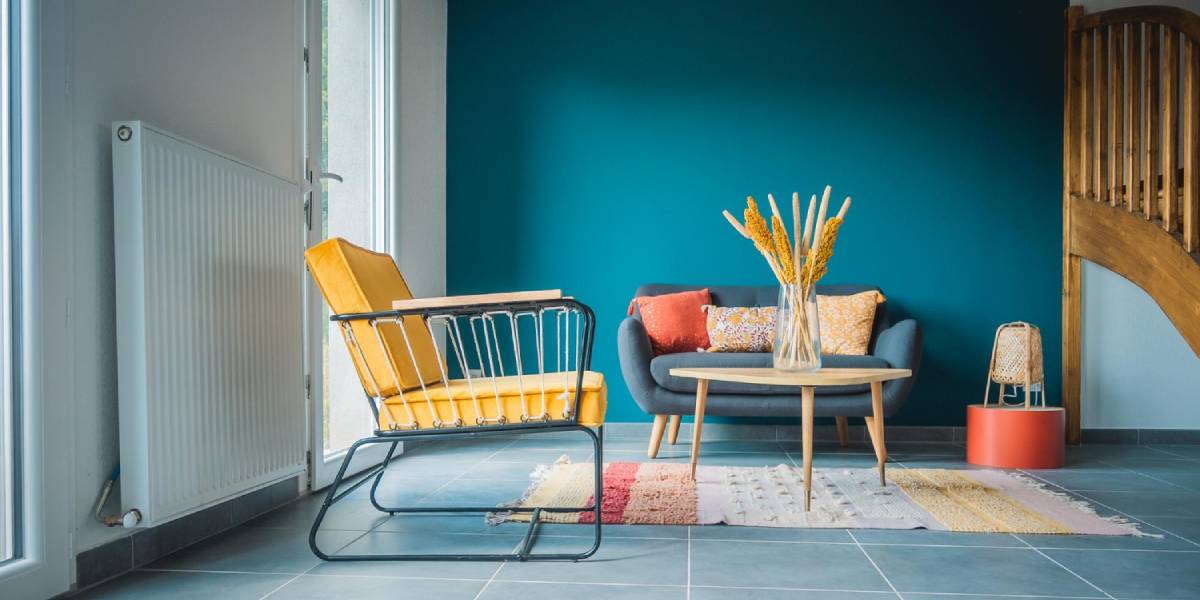
The colours you choose for your home have a significant impact on how every room looks and feels. A well-planned colour palette can make compact spaces appear larger, brighten darker rooms, create a sense of warmth, and bring harmony throughout your home. On the other hand, poor colour choices can make even beautifully designed interiors feel disconnected or overwhelming.
Choosing the right colours is not simply about following trends. It involves understanding your home’s architecture, natural lighting, furniture, flooring, and the atmosphere you want to create. Whether you are designing a new home or renovating an existing one, selecting the best colour combination for home interior requires careful planning.
This guide explains how to choose colours that complement your lifestyle while creating elegant, timeless interiors.
Why Colour Selection Matters in Interior Design
Colour influences mood, perception, and functionality more than most homeowners realize. It affects how spacious a room appears, how comfortable it feels, and even how much natural light it reflects.
Professional designers rarely select colours independently. Instead, they consider every element of the room, including flooring, furniture, lighting, curtains, wall textures, and decorative accessories. When these components work together, the entire space feels balanced and inviting.
The ideal home colour combination should enhance your home’s architecture while reflecting your personal taste instead of temporary design trends.
Start with the Purpose of Each Room
Every room serves a different purpose, and its colours should support that function.
Bedrooms benefit from calming shades that encourage relaxation. Living rooms often look best with warm neutral tones that make gatherings feel welcoming. Kitchens usually require brighter colours that create an energetic atmosphere, while home offices benefit from balanced shades that improve focus without becoming distracting.
Rather than applying one colour throughout the house, develop a coordinated palette where each room has its own identity while maintaining visual consistency across the home.
This approach creates a seamless combination of colour for house that feels intentional from one room to another.
Understand the Role of Natural Light
Lighting changes how colours appear throughout the day. A shade that looks perfect in a showroom may appear completely different inside your home.
Rooms receiving abundant sunlight can comfortably use deeper colours because natural light prevents the space from feeling dark. In contrast, rooms with limited daylight often benefit from lighter shades that reflect available light and make the space feel more open.
Artificial lighting also influences wall colours. Warm lighting enhances earthy tones, while cooler lighting complements greys, whites, and contemporary colour palettes.
Testing paint samples under different lighting conditions helps homeowners avoid costly mistakes before completing the project.
Choosing the Best Colour Combination for Home Interior
Selecting the best colour combination for home interior begins with identifying a dominant base colour. Neutral shades continue to be among the most versatile options because they pair well with almost every design style.
Soft whites, warm greys, beige, taupe, and muted earthy colours provide an elegant foundation that allows furniture, artwork, and decorative pieces to stand out naturally.
Once the primary colour has been selected, secondary colours can be introduced through feature walls, furnishings, lighting fixtures, rugs, and decorative accessories. This layered approach creates visual depth without overwhelming the room.
Rather than combining multiple bold colours, luxury interiors often rely on subtle contrasts that remain attractive for many years.
Finding the Right Light and Dark Colour Combination
One of the most effective ways to create depth is by using a balanced light and dark colour combination.
Lighter shades help rooms feel spacious and airy, while darker colours introduce sophistication and visual contrast. The key is maintaining balance instead of allowing either colour to dominate the room.
For example, soft ivory walls paired with walnut furniture create warmth without making the room appear heavy. Light grey walls combined with charcoal accents produce a contemporary appearance, while beige paired with deep brown wood creates timeless elegance.
This balance allows architectural details, furniture, and decorative elements to become more noticeable without competing with each other.
Popular Interior Room Colour Combination Ideas
Every room presents unique opportunities for creative colour selection. The ideal interior room colour combination depends on room size, lighting conditions, and the desired atmosphere.
Living rooms often look sophisticated with neutral walls complemented by darker furniture and textured fabrics. Bedrooms benefit from soft earthy colours combined with warm wooden finishes that promote relaxation.
Dining areas frequently incorporate subtle accent colours that stimulate conversation while maintaining a comfortable environment. Kitchens continue to favor bright palettes paired with natural materials such as wood and stone for a clean yet inviting appearance.
Bathrooms also benefit from carefully selected colours. Light shades paired with natural stone finishes create spa-like environments that feel both luxurious and calming.
Rather than treating every room independently, maintaining a consistent design language throughout the house creates better visual continuity.
Creating a Balanced House Interior Colour Combination
A successful house interior colour combination extends beyond paint colours. Flooring, cabinetry, countertops, curtains, upholstery, and lighting should all complement one another.
Many homeowners make the mistake of selecting wall colours before choosing furniture or flooring. Professional designers often reverse this process by first establishing permanent design elements before finalizing paint colours.
This approach creates a cohesive interior where every component contributes to the overall aesthetic.
Using repeated accent colours throughout different areas of the house also strengthens continuity. For example, similar wood tones, metal finishes, or decorative accessories can connect multiple rooms without making them identical.
Avoid Common Colour Selection Mistakes
Even high-quality materials cannot compensate for poorly planned colour schemes.
One common mistake is using too many bold colours within the same room. Excessive contrast often creates visual clutter rather than sophistication.
Another mistake is ignoring natural lighting. Dark colours in poorly lit spaces can make rooms appear smaller than they actually are, while extremely bright whites may create glare in rooms receiving intense sunlight.
Following short-term design trends is another risk. Colours that become popular today may quickly feel outdated. Choosing timeless palettes provides greater flexibility when updating furniture or décor in the future.
Finally, selecting paint before considering flooring, cabinetry, or furniture often results in colours that clash with permanent interior features.
Why Professional Designers Deliver Better Results
Choosing colours may appear straightforward, but creating a balanced interior requires experience and planning. Professional designers evaluate every detail before recommending colour palettes, ensuring every element works together harmoniously.
Experienced luxury interior designers in Bangalore understand how colour psychology, lighting, textures, materials, and space planning influence the final outcome. They help homeowners avoid costly mistakes while developing interiors that remain stylish for years.
At TASA, every project begins with understanding the client’s vision, lifestyle, and architectural space. Colour selections are carefully coordinated with furniture, flooring, lighting, and custom finishes to create interiors that are elegant, functional, and uniquely personalized.
Rather than relying on temporary trends, TASA focuses on timeless colour palettes that continue to look beautiful long after the project is completed.
Final Thoughts
Selecting the right colours is one of the most important decisions in any interior design project. The right home best colour combination creates visual harmony, improves comfort, and increases the overall appeal of your living space. Whether you are choosing a combination colour for house, planning a balanced light and dark colour combination, selecting an interior room colour combination, or developing a complete house interior colour, thoughtful planning always leads to better results.
Working with experienced professionals ensures every colour complements your home’s architecture, lighting, and furnishings while creating interiors that remain elegant for years to come.